
 GCCI) has repeatedly criticised this practice, lamenting that it can lock out local participation in the oil and gas sector.
“Contracts are being solicited for expression of interest (EOI) and requests for information (RFI) under one umbrella by various players in the industry.
“The sum-effect of this practice is that micro, small and medium-sized enterprises (MSMEs) are unable to compete in the space since the ‘bundling’ practice will set an artificial barrier to their participation,” a recent release from the Chamber stated.
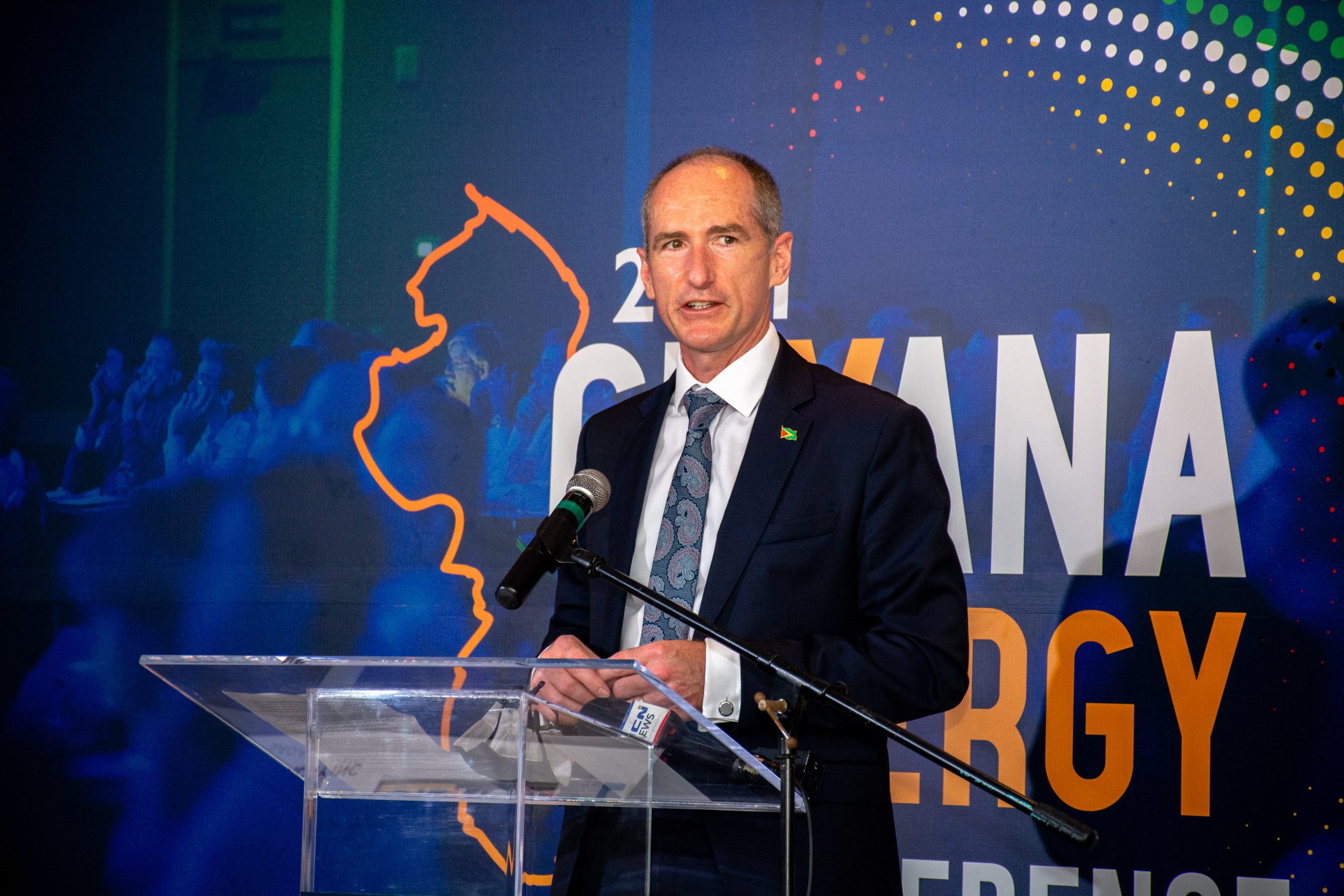
But Routledge does not agree with this position.
He explained that ExxonMobil Guyana is an oil and gas operator that is not versed in office management, for example. Because the company would be interested in office management services, it would seek a company that would supply all of the necessary services.
“The benefit of us passing that managed service, if you like, to another company is that they will find those services with local companies as well,” the company head posited.
As such, he posited that more local companies will be able to benefit since the company awarded the general contract could seek the services from other companies.
The GCCI has called on Guyana’s Local Content Secretariat to examine the practice and its harmful effect on local content and private sector development in Guyana, moreso since it appears to be contrary to the Local Content law.
